Sustainable and Green Expos: Bangladesh's Growing Eco-Conscious Exhibition Scene
April 15, 2026
|
sustainability
green
climate
solar
environment
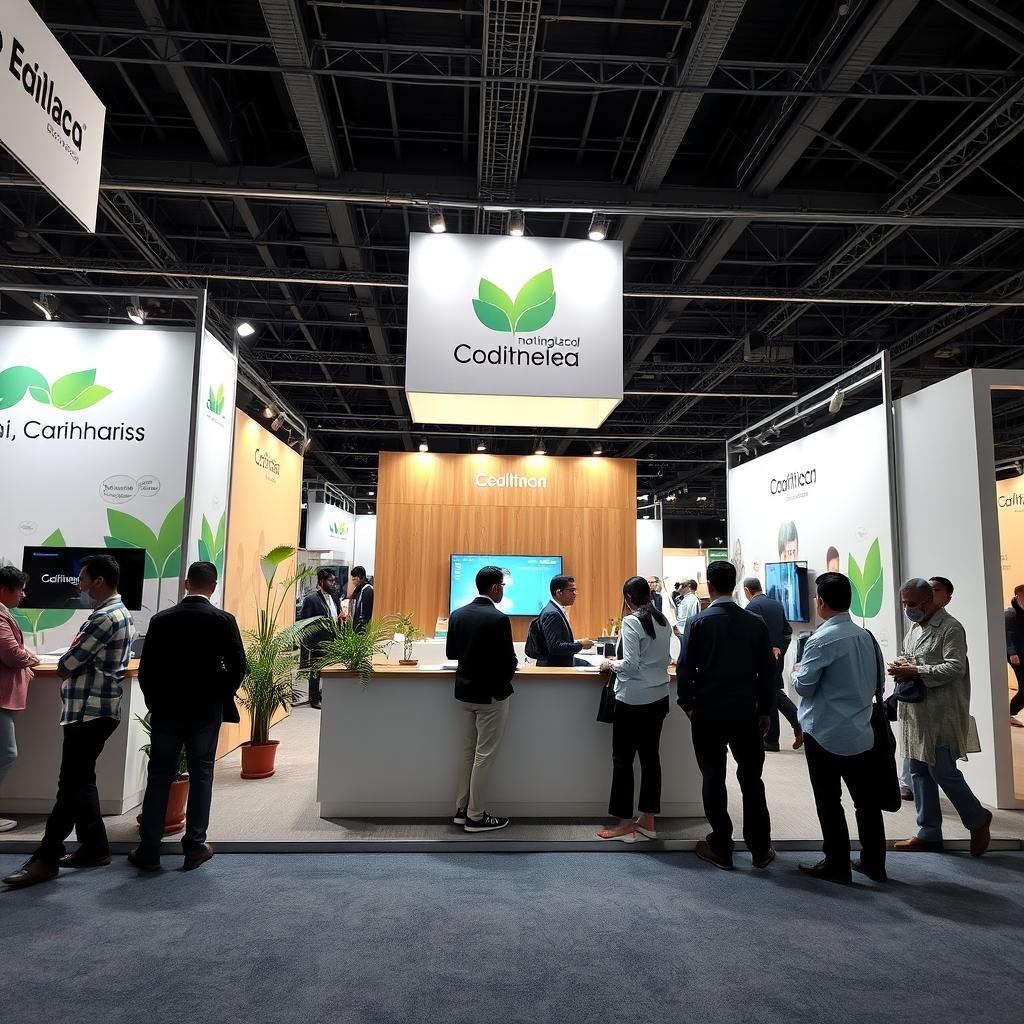
<h2>Climate Change Meets Commerce</h2>
<p>Bangladesh sits at the frontline of climate change. Rising sea levels threaten 17% of the country's landmass. Cyclones are intensifying. River erosion displaces 50,000-100,000 people annually. Yet Bangladesh has responded not with despair but with innovation — and the country's growing number of sustainability-focused expos reflect this pragmatic, solutions-oriented approach to environmental challenges.</p>
<p>Green expos in Bangladesh serve a dual purpose: they showcase environmental solutions that address the country's climate vulnerabilities, and they connect eco-conscious producers with consumers who are increasingly willing to pay a premium for sustainable products. In a country where environmental consciousness is driven not by abstract concern but by lived experience of floods, droughts, and cyclones, the market for green solutions is both urgent and genuine.</p>
<h2>Solar and Renewable Energy Expos</h2>
<p>Bangladesh's solar energy sector has grown explosively, from virtually zero installed capacity in 2003 to over 700 MW today. Solar Home Systems reach 6 million households in off-grid areas, and rooftop solar is booming in Dhaka and Chittagong. The Renewable Energy Expo, held annually at ICCB, is the primary marketplace for this sector.</p>
<p>The expo features everything from household solar panels priced at ৳15,000-40,000 for 100-300 watt systems to industrial-scale inverters and battery banks. Chinese manufacturers like Jinko Solar, Trina, and LONGi dominate the exhibition floor, but Bangladeshi companies like Rahimafrooz Solar and Energypac are competitive in the small-scale segment. For homeowners considering rooftop solar, the expo is the best place to compare specifications, prices, and installation packages from multiple vendors in one visit.</p>
<p>Recent expos have highlighted Bangladesh's emerging solar irrigation pump market. With 2 million diesel-powered irrigation pumps consuming ৳12,000 crore worth of fuel annually, the shift to solar represents both enormous environmental benefit and cost savings for farmers. Solar pump exhibitors report that 40% of their annual sales leads originate from expo interactions, where farmers can see working demonstrations and talk to other farmers who have already made the switch.</p>
<h2>Eco-Friendly Products and Sustainable Fashion</h2>
<p>The "Green Market" concept — dedicated sections within larger expos for eco-friendly products — has taken root in Bangladesh. DITF now includes a "Green Pavilion" featuring organic food producers, natural cosmetics makers, biodegradable packaging companies, and sustainable fashion brands. The Aarong Craft Fair, while primarily a sales event, also functions as a sustainability expo showcasing handmade, ethically produced goods from 65,000 rural artisans.</p>
<p>Sustainable fashion is a particularly compelling category at Bangladesh's green expos. The irony isn't lost on observers: the world's second-largest garment exporter, whose fast-fashion production contributes to global textile waste, is simultaneously developing a domestic sustainable fashion movement. Brands like Deshi Dosh, which produces clothing from organic Bangladeshi cotton, and recycled textile companies that turn factory cutting waste into new fabric are finding their audience at green expos.</p>
<p>Jute products have experienced a renaissance driven by the global anti-plastic movement. Bangladesh produces 30% of the world's jute, and the ban on single-use plastics in many European countries has created massive new demand for jute bags, packaging, and geotextiles. Jute product exhibitors at DITF and specialized expos report international buyer interest increasing 300% since 2019. A jute shopping bag that costs ৳50-100 to produce in Bangladesh sells for €3-5 in European retail — margins that make jute manufacturing attractive for new entrants.</p>
<h2>Water and Sanitation Expos</h2>
<p>For a country where 30 million people still lack access to safe drinking water and arsenic contamination affects 20 million, water technology expos address literally life-saving needs. The Bangladesh Water Expo showcases filtration systems, arsenic removal plants, wastewater treatment technology, and flood-resilient water infrastructure.</p>
<p>Household arsenic removal filters — a critical need in much of rural Bangladesh where groundwater arsenic levels exceed WHO limits — are among the most impactful products displayed at water expos. Systems range from simple ৳3,000 ceramic filters that remove 95% of arsenic to advanced ৳25,000 reverse osmosis units suitable for community installation. NGOs including BRAC, WaterAid, and UNICEF maintain permanent presence at these expos, often providing subsidized or free filters to qualifying rural communities identified through expo interactions.</p>
<p>Flood-resilient infrastructure is another major expo theme. Raised tubewells, flood-proof latrines, and elevated water storage systems designed for the char lands and haor areas are displayed alongside climate-adaptive construction materials. Exhibitors from the Netherlands and Japan — countries with their own expertise in water management — frequently participate, bringing delta engineering knowledge relevant to Bangladesh's geography.</p>
<h2>Waste Management and Circular Economy</h2>
<p>Dhaka generates 7,000 metric tons of solid waste daily, of which only 50% is formally collected. This waste management crisis has spawned a growing industry of recycling, composting, and waste-to-energy companies that showcase their solutions at environmental expos. The Waste & Recycling Expo Bangladesh, though newer than other events, has quickly become a key industry gathering.</p>
<p>Composting technology is particularly relevant for Bangladesh, where 65-70% of municipal waste is organic. Companies exhibiting vermicomposting bins at ৳2,000-5,000, community-scale composters at ৳50,000-200,000, and industrial composting systems are finding buyers among housing societies, municipalities, and agricultural operations that need affordable organic fertilizer. A housing society of 200 families that diverts its organic waste to a ৳150,000 community composter saves ৳60,000 annually in waste collection fees while producing enough compost for its landscaping needs.</p>
<p>Plastic recycling exhibitors showcase machines that convert waste plastic into fuel oil, building materials, or recycled pellets for remanufacturing. A plastic-to-fuel pyrolysis unit producing 200 liters of fuel oil from 500 kg of waste plastic daily costs ৳15-25 lakh — an investment several Bangladeshi entrepreneurs have made after discovering the technology at waste management expos. The economics work: waste plastic costs ৳5-8 per kg to acquire, and the fuel oil sells for ৳60-70 per liter.</p>
<h2>The Future of Green Expos in Bangladesh</h2>
<p>Bangladesh's green expo scene is maturing from scattered, occasional events to a coordinated movement. The government's Environment, Forest and Climate Change Ministry has signaled plans for an annual "Bangladesh Climate Fair" that would combine technology exhibitions with policy conferences and international climate finance matchmaking. Given Bangladesh's moral authority as a climate-vulnerable nation that contributes less than 0.4% of global emissions, such an event could attract significant international participation.</p>
<p>The private sector is responding to consumer demand. A 2024 survey found that 62% of urban Bangladeshi consumers are willing to pay 10-15% more for products they perceive as environmentally friendly. This willingness-to-pay premium is driving manufacturers to seek green certifications and sustainable production methods — and green expos are where they discover and source these solutions. As Bangladesh's middle class grows and environmental awareness deepens, the green expo segment will likely become one of the fastest-growing parts of the country's exhibition industry.</p>
<p>Bangladesh sits at the frontline of climate change. Rising sea levels threaten 17% of the country's landmass. Cyclones are intensifying. River erosion displaces 50,000-100,000 people annually. Yet Bangladesh has responded not with despair but with innovation — and the country's growing number of sustainability-focused expos reflect this pragmatic, solutions-oriented approach to environmental challenges.</p>
<p>Green expos in Bangladesh serve a dual purpose: they showcase environmental solutions that address the country's climate vulnerabilities, and they connect eco-conscious producers with consumers who are increasingly willing to pay a premium for sustainable products. In a country where environmental consciousness is driven not by abstract concern but by lived experience of floods, droughts, and cyclones, the market for green solutions is both urgent and genuine.</p>
<h2>Solar and Renewable Energy Expos</h2>
<p>Bangladesh's solar energy sector has grown explosively, from virtually zero installed capacity in 2003 to over 700 MW today. Solar Home Systems reach 6 million households in off-grid areas, and rooftop solar is booming in Dhaka and Chittagong. The Renewable Energy Expo, held annually at ICCB, is the primary marketplace for this sector.</p>
<p>The expo features everything from household solar panels priced at ৳15,000-40,000 for 100-300 watt systems to industrial-scale inverters and battery banks. Chinese manufacturers like Jinko Solar, Trina, and LONGi dominate the exhibition floor, but Bangladeshi companies like Rahimafrooz Solar and Energypac are competitive in the small-scale segment. For homeowners considering rooftop solar, the expo is the best place to compare specifications, prices, and installation packages from multiple vendors in one visit.</p>
<p>Recent expos have highlighted Bangladesh's emerging solar irrigation pump market. With 2 million diesel-powered irrigation pumps consuming ৳12,000 crore worth of fuel annually, the shift to solar represents both enormous environmental benefit and cost savings for farmers. Solar pump exhibitors report that 40% of their annual sales leads originate from expo interactions, where farmers can see working demonstrations and talk to other farmers who have already made the switch.</p>
<h2>Eco-Friendly Products and Sustainable Fashion</h2>
<p>The "Green Market" concept — dedicated sections within larger expos for eco-friendly products — has taken root in Bangladesh. DITF now includes a "Green Pavilion" featuring organic food producers, natural cosmetics makers, biodegradable packaging companies, and sustainable fashion brands. The Aarong Craft Fair, while primarily a sales event, also functions as a sustainability expo showcasing handmade, ethically produced goods from 65,000 rural artisans.</p>
<p>Sustainable fashion is a particularly compelling category at Bangladesh's green expos. The irony isn't lost on observers: the world's second-largest garment exporter, whose fast-fashion production contributes to global textile waste, is simultaneously developing a domestic sustainable fashion movement. Brands like Deshi Dosh, which produces clothing from organic Bangladeshi cotton, and recycled textile companies that turn factory cutting waste into new fabric are finding their audience at green expos.</p>
<p>Jute products have experienced a renaissance driven by the global anti-plastic movement. Bangladesh produces 30% of the world's jute, and the ban on single-use plastics in many European countries has created massive new demand for jute bags, packaging, and geotextiles. Jute product exhibitors at DITF and specialized expos report international buyer interest increasing 300% since 2019. A jute shopping bag that costs ৳50-100 to produce in Bangladesh sells for €3-5 in European retail — margins that make jute manufacturing attractive for new entrants.</p>
<h2>Water and Sanitation Expos</h2>
<p>For a country where 30 million people still lack access to safe drinking water and arsenic contamination affects 20 million, water technology expos address literally life-saving needs. The Bangladesh Water Expo showcases filtration systems, arsenic removal plants, wastewater treatment technology, and flood-resilient water infrastructure.</p>
<p>Household arsenic removal filters — a critical need in much of rural Bangladesh where groundwater arsenic levels exceed WHO limits — are among the most impactful products displayed at water expos. Systems range from simple ৳3,000 ceramic filters that remove 95% of arsenic to advanced ৳25,000 reverse osmosis units suitable for community installation. NGOs including BRAC, WaterAid, and UNICEF maintain permanent presence at these expos, often providing subsidized or free filters to qualifying rural communities identified through expo interactions.</p>
<p>Flood-resilient infrastructure is another major expo theme. Raised tubewells, flood-proof latrines, and elevated water storage systems designed for the char lands and haor areas are displayed alongside climate-adaptive construction materials. Exhibitors from the Netherlands and Japan — countries with their own expertise in water management — frequently participate, bringing delta engineering knowledge relevant to Bangladesh's geography.</p>
<h2>Waste Management and Circular Economy</h2>
<p>Dhaka generates 7,000 metric tons of solid waste daily, of which only 50% is formally collected. This waste management crisis has spawned a growing industry of recycling, composting, and waste-to-energy companies that showcase their solutions at environmental expos. The Waste & Recycling Expo Bangladesh, though newer than other events, has quickly become a key industry gathering.</p>
<p>Composting technology is particularly relevant for Bangladesh, where 65-70% of municipal waste is organic. Companies exhibiting vermicomposting bins at ৳2,000-5,000, community-scale composters at ৳50,000-200,000, and industrial composting systems are finding buyers among housing societies, municipalities, and agricultural operations that need affordable organic fertilizer. A housing society of 200 families that diverts its organic waste to a ৳150,000 community composter saves ৳60,000 annually in waste collection fees while producing enough compost for its landscaping needs.</p>
<p>Plastic recycling exhibitors showcase machines that convert waste plastic into fuel oil, building materials, or recycled pellets for remanufacturing. A plastic-to-fuel pyrolysis unit producing 200 liters of fuel oil from 500 kg of waste plastic daily costs ৳15-25 lakh — an investment several Bangladeshi entrepreneurs have made after discovering the technology at waste management expos. The economics work: waste plastic costs ৳5-8 per kg to acquire, and the fuel oil sells for ৳60-70 per liter.</p>
<h2>The Future of Green Expos in Bangladesh</h2>
<p>Bangladesh's green expo scene is maturing from scattered, occasional events to a coordinated movement. The government's Environment, Forest and Climate Change Ministry has signaled plans for an annual "Bangladesh Climate Fair" that would combine technology exhibitions with policy conferences and international climate finance matchmaking. Given Bangladesh's moral authority as a climate-vulnerable nation that contributes less than 0.4% of global emissions, such an event could attract significant international participation.</p>
<p>The private sector is responding to consumer demand. A 2024 survey found that 62% of urban Bangladeshi consumers are willing to pay 10-15% more for products they perceive as environmentally friendly. This willingness-to-pay premium is driving manufacturers to seek green certifications and sustainable production methods — and green expos are where they discover and source these solutions. As Bangladesh's middle class grows and environmental awareness deepens, the green expo segment will likely become one of the fastest-growing parts of the country's exhibition industry.</p>
