Bangladesh's Garment Industry Expos: Where Fashion Meets Manufacturing
May 08, 2026
|
garments
rmg
textile
manufacturing
export
<h2>The Backbone of Bangladesh's Economy on Display</h2>
<p>Ready-made garments account for over 84% of Bangladesh's total export earnings, generating approximately $47 billion annually and employing 4.4 million workers directly — 80% of them women. When the global garment industry gathers in Bangladesh for its specialized expos, what's on display isn't just clothing — it's the beating heart of the national economy.</p>
<p>Bangladesh is the world's second-largest garment exporter after China, and the margin is narrowing. The country's competitive advantages — skilled workers earning $95/month minimum wage compared to China's $300+, a young workforce with a median age of 27, and proximity to cotton sources in India — make it a powerhouse that international buyers can't ignore. Garment expos are where these advantages translate into actual business.</p>
<h2>Key Garment Industry Expos</h2>
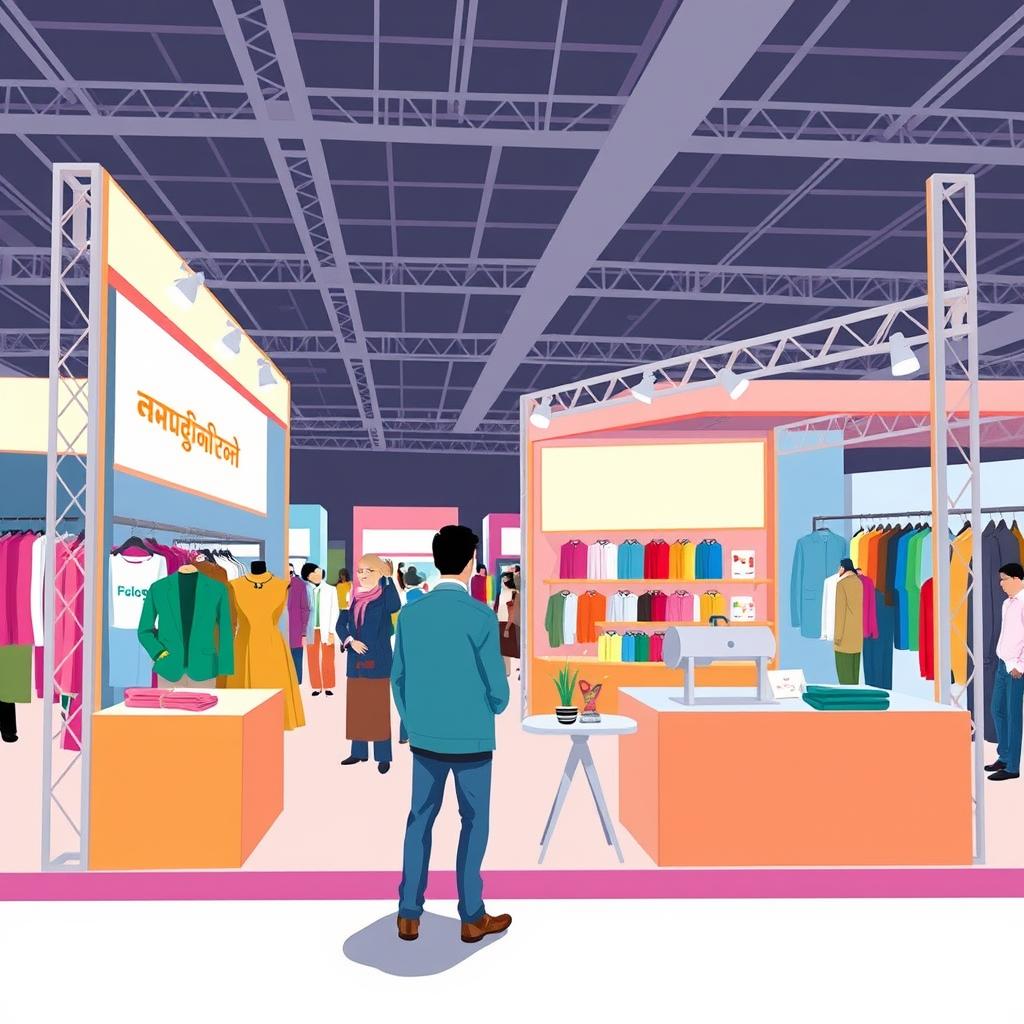
<p>Textech Bangladesh, organized by the Dhaka Chamber of Commerce and Industry, is the premier textile and garment technology expo. Held bi-annually at the International Convention City Bashundhara, it showcases spinning, weaving, knitting, dyeing, printing, and finishing machinery. The 2025 edition featured 450+ exhibitors from 28 countries, with Chinese, Indian, and European machinery manufacturers dominating the exhibition floor. For factory owners looking to upgrade equipment, Textech is where deals happen — a single Chinese automatic knitting machine priced at $15,000-25,000 can double a factory's output capacity.</p>
<p>Dhaka Apparel & Textile Exposition (DATE) focuses on the finished product side, connecting Bangladeshi manufacturers with international retail buyers. Brands from H&M, Zara, Primark, and dozens of mid-tier European and American retailers send buying teams to DATE to source their next season's collections. For Bangladeshi manufacturers, a successful DATE can secure orders worth $1-5 million over the following year.</p>
<p>The Bangladesh Denim Expo has carved a niche as the world's only expo dedicated exclusively to denim. Held twice yearly, it showcases Bangladesh's growing denim manufacturing capabilities — the country now produces over 400 million meters of denim fabric annually. The expo features not just fabric but innovations in sustainable dyeing, laser finishing, and recycled cotton blends that increasingly matter to environmentally conscious Western brands.</p>
<h2>What Happens Behind the Expo Curtains</h2>
<p>For visitors who see only the public-facing exhibition floor, much of an expo's real business is invisible. The most consequential meetings happen in private meeting rooms, VIP lounges, and hotel suites near the venue. Buying houses arrange pre-scheduled meetings between their international clients and Bangladeshi factory owners, using the expo as a convenient gathering point.</p>
<p>These private meetings follow a well-established ritual. The factory owner presents compliance certificates — WRAP, BSCI, Sedex, SA8000 — that prove the factory meets international labor and safety standards. Post-Rana Plaza, no major Western brand will source from a non-compliant factory. Then comes the factory profile: capacity in pieces per month, lead times, specializations like knitwear versus woven, and the critical price-per-piece negotiation.</p>
<p>A single successful meeting can change a factory's trajectory. An order of 500,000 polo shirts at $4.50 per piece from a European retailer represents $2.25 million in revenue — enough to keep a mid-sized Gazipur factory running for three months and employ 800 workers. These are the stakes that make garment expos the most commercially significant events in Bangladesh.</p>
<h2>Sustainability: The New Expo Theme</h2>
<p>Sustainability has moved from a niche concern to the dominant theme at Bangladesh's garment expos. The shift is driven by European legislation — the EU's Corporate Sustainability Due Diligence Directive requires brands to ensure their supply chains meet environmental and social standards. For Bangladesh's garment factories, this means investing in green technology or losing orders.</p>
<p>The good news: Bangladesh is leading the developing world in green garment manufacturing. The country has 202 LEED-certified green garment factories — more than any other nation. These factories use 40% less energy, 50% less water, and have 30% lower carbon emissions than conventional factories. At recent expos, green certification has become a competitive advantage: factory owners with LEED Platinum or Gold ratings prominently display their certificates, and buyers specifically seek them out.</p>
<p>Innovations showcased at recent expos include waterless dyeing technology that eliminates the 150-200 liters of water traditionally needed to dye one kilogram of fabric. Solar panels powering factory rooftops in Gazipur and Narayanganj industrial zones. Effluent treatment plants that clean wastewater to drinking water standard. Recycled polyester from PET bottles blended with Bangladeshi cotton for sustainable fabric. These technologies cost more upfront but pay for themselves through energy savings and premium pricing from sustainability-conscious buyers.</p>
<h2>Opportunities for Small Manufacturers</h2>
<p>Not every exhibitor at a garment expo is a factory producing millions of pieces. Bangladesh's SME garment manufacturers — typically operations with 50-200 workers producing boutique or specialty items — are finding their place at these events. The SME Foundation's dedicated pavilion at DITF and standalone SME expos provide affordable exhibition space starting at ৳25,000 for small producers.</p>
<p>For smaller manufacturers, the expo opportunity isn't usually a massive international order — it's visibility and validation. A boutique jamdani weaver from Sonargaon displaying at an expo reaches urban Dhaka buyers who might never visit a rural workshop. A small knitwear producer from Narayanganj showcasing their capabilities might attract a buying house rep who needs a flexible, small-batch supplier for specialty orders that big factories consider too small to bother with.</p>
<p>The growing "Bangladesh brand" movement also creates expo opportunities. Labels like Aarong, Yellow, Cats Eye, and Richman have proven that Bangladeshi-designed, Bangladeshi-made fashion can command domestic and diaspora markets. Expos increasingly feature a "Made in Bangladesh for Bangladesh" section that highlights these domestic brands alongside the export-focused exhibitors.</p>
<h2>The Future of Garment Expos in Bangladesh</h2>
<p>Digital transformation is reshaping how garment expos operate. Virtual showrooms, 3D product visualization, and AI-powered matching between buyers and manufacturers are being integrated into traditional expo formats. The COVID period accelerated this — several expos launched "digital twin" platforms where buyers who couldn't travel to Dhaka could browse exhibits, view product samples in 360-degree video, and schedule virtual meetings with manufacturers.</p>
<p>But the physical expo isn't going away. In an industry built on touch — feeling fabric weight, inspecting stitch quality, checking color accuracy against Pantone swatches — nothing replaces being there in person. What's emerging is a hybrid model: digital platforms for initial discovery and shortlisting, physical expos for final evaluation and relationship building. For Bangladesh's garment industry, which depends on trust and relationships as much as price, this evolution maintains the personal touch while expanding reach to buyers who can't make the trip to Dhaka.</p>
<p>Ready-made garments account for over 84% of Bangladesh's total export earnings, generating approximately $47 billion annually and employing 4.4 million workers directly — 80% of them women. When the global garment industry gathers in Bangladesh for its specialized expos, what's on display isn't just clothing — it's the beating heart of the national economy.</p>
<p>Bangladesh is the world's second-largest garment exporter after China, and the margin is narrowing. The country's competitive advantages — skilled workers earning $95/month minimum wage compared to China's $300+, a young workforce with a median age of 27, and proximity to cotton sources in India — make it a powerhouse that international buyers can't ignore. Garment expos are where these advantages translate into actual business.</p>
<h2>Key Garment Industry Expos</h2>
<p>Textech Bangladesh, organized by the Dhaka Chamber of Commerce and Industry, is the premier textile and garment technology expo. Held bi-annually at the International Convention City Bashundhara, it showcases spinning, weaving, knitting, dyeing, printing, and finishing machinery. The 2025 edition featured 450+ exhibitors from 28 countries, with Chinese, Indian, and European machinery manufacturers dominating the exhibition floor. For factory owners looking to upgrade equipment, Textech is where deals happen — a single Chinese automatic knitting machine priced at $15,000-25,000 can double a factory's output capacity.</p>
<p>Dhaka Apparel & Textile Exposition (DATE) focuses on the finished product side, connecting Bangladeshi manufacturers with international retail buyers. Brands from H&M, Zara, Primark, and dozens of mid-tier European and American retailers send buying teams to DATE to source their next season's collections. For Bangladeshi manufacturers, a successful DATE can secure orders worth $1-5 million over the following year.</p>
<p>The Bangladesh Denim Expo has carved a niche as the world's only expo dedicated exclusively to denim. Held twice yearly, it showcases Bangladesh's growing denim manufacturing capabilities — the country now produces over 400 million meters of denim fabric annually. The expo features not just fabric but innovations in sustainable dyeing, laser finishing, and recycled cotton blends that increasingly matter to environmentally conscious Western brands.</p>
<h2>What Happens Behind the Expo Curtains</h2>
<p>For visitors who see only the public-facing exhibition floor, much of an expo's real business is invisible. The most consequential meetings happen in private meeting rooms, VIP lounges, and hotel suites near the venue. Buying houses arrange pre-scheduled meetings between their international clients and Bangladeshi factory owners, using the expo as a convenient gathering point.</p>
<p>These private meetings follow a well-established ritual. The factory owner presents compliance certificates — WRAP, BSCI, Sedex, SA8000 — that prove the factory meets international labor and safety standards. Post-Rana Plaza, no major Western brand will source from a non-compliant factory. Then comes the factory profile: capacity in pieces per month, lead times, specializations like knitwear versus woven, and the critical price-per-piece negotiation.</p>
<p>A single successful meeting can change a factory's trajectory. An order of 500,000 polo shirts at $4.50 per piece from a European retailer represents $2.25 million in revenue — enough to keep a mid-sized Gazipur factory running for three months and employ 800 workers. These are the stakes that make garment expos the most commercially significant events in Bangladesh.</p>
<h2>Sustainability: The New Expo Theme</h2>
<p>Sustainability has moved from a niche concern to the dominant theme at Bangladesh's garment expos. The shift is driven by European legislation — the EU's Corporate Sustainability Due Diligence Directive requires brands to ensure their supply chains meet environmental and social standards. For Bangladesh's garment factories, this means investing in green technology or losing orders.</p>
<p>The good news: Bangladesh is leading the developing world in green garment manufacturing. The country has 202 LEED-certified green garment factories — more than any other nation. These factories use 40% less energy, 50% less water, and have 30% lower carbon emissions than conventional factories. At recent expos, green certification has become a competitive advantage: factory owners with LEED Platinum or Gold ratings prominently display their certificates, and buyers specifically seek them out.</p>
<p>Innovations showcased at recent expos include waterless dyeing technology that eliminates the 150-200 liters of water traditionally needed to dye one kilogram of fabric. Solar panels powering factory rooftops in Gazipur and Narayanganj industrial zones. Effluent treatment plants that clean wastewater to drinking water standard. Recycled polyester from PET bottles blended with Bangladeshi cotton for sustainable fabric. These technologies cost more upfront but pay for themselves through energy savings and premium pricing from sustainability-conscious buyers.</p>
<h2>Opportunities for Small Manufacturers</h2>
<p>Not every exhibitor at a garment expo is a factory producing millions of pieces. Bangladesh's SME garment manufacturers — typically operations with 50-200 workers producing boutique or specialty items — are finding their place at these events. The SME Foundation's dedicated pavilion at DITF and standalone SME expos provide affordable exhibition space starting at ৳25,000 for small producers.</p>
<p>For smaller manufacturers, the expo opportunity isn't usually a massive international order — it's visibility and validation. A boutique jamdani weaver from Sonargaon displaying at an expo reaches urban Dhaka buyers who might never visit a rural workshop. A small knitwear producer from Narayanganj showcasing their capabilities might attract a buying house rep who needs a flexible, small-batch supplier for specialty orders that big factories consider too small to bother with.</p>
<p>The growing "Bangladesh brand" movement also creates expo opportunities. Labels like Aarong, Yellow, Cats Eye, and Richman have proven that Bangladeshi-designed, Bangladeshi-made fashion can command domestic and diaspora markets. Expos increasingly feature a "Made in Bangladesh for Bangladesh" section that highlights these domestic brands alongside the export-focused exhibitors.</p>
<h2>The Future of Garment Expos in Bangladesh</h2>
<p>Digital transformation is reshaping how garment expos operate. Virtual showrooms, 3D product visualization, and AI-powered matching between buyers and manufacturers are being integrated into traditional expo formats. The COVID period accelerated this — several expos launched "digital twin" platforms where buyers who couldn't travel to Dhaka could browse exhibits, view product samples in 360-degree video, and schedule virtual meetings with manufacturers.</p>
<p>But the physical expo isn't going away. In an industry built on touch — feeling fabric weight, inspecting stitch quality, checking color accuracy against Pantone swatches — nothing replaces being there in person. What's emerging is a hybrid model: digital platforms for initial discovery and shortlisting, physical expos for final evaluation and relationship building. For Bangladesh's garment industry, which depends on trust and relationships as much as price, this evolution maintains the personal touch while expanding reach to buyers who can't make the trip to Dhaka.</p>
