A Complete Guide to Trade Fairs and Expos in Bangladesh
May 09, 2026
|
trade-fair
expo
ditf
shopping
guide
<h2>Bangladesh's Thriving Expo Culture</h2>
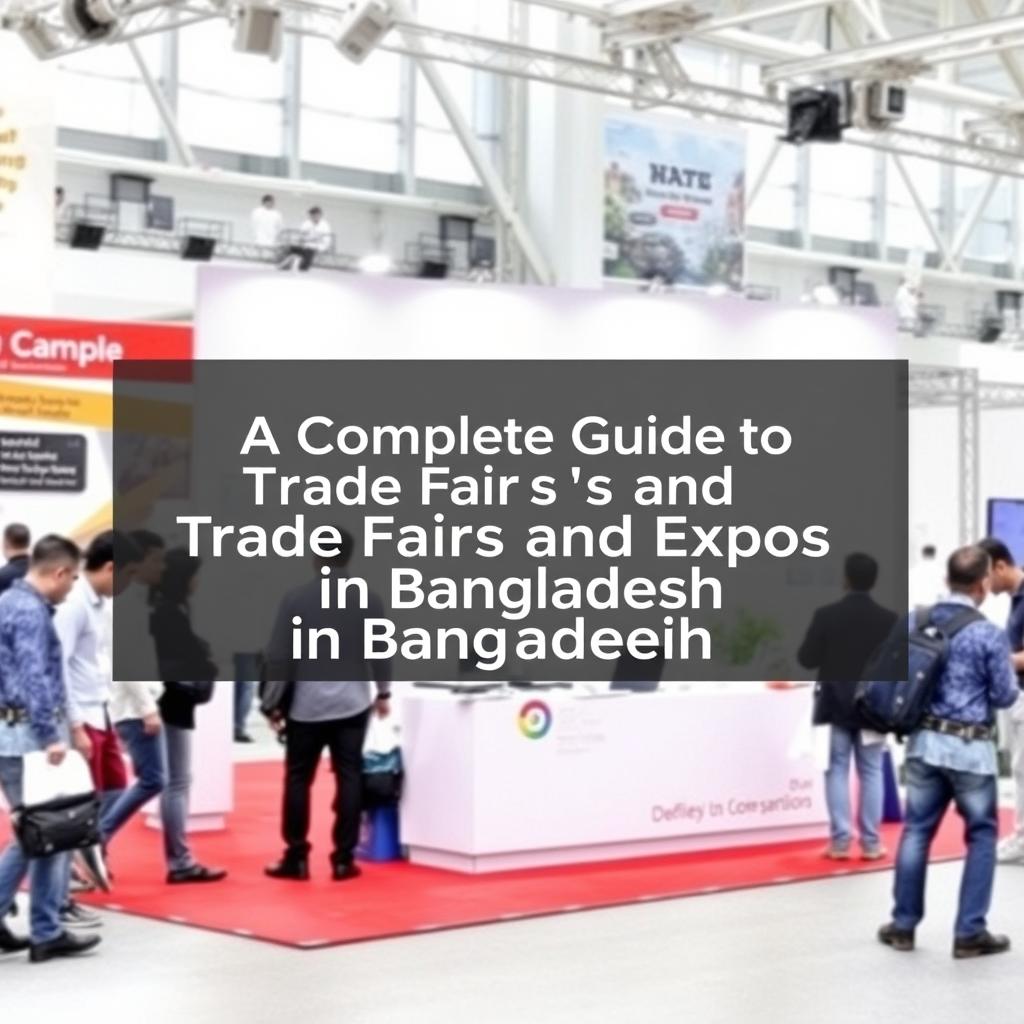
<p>Bangladesh has a deeply rooted tradition of trade fairs and exhibitions that dates back decades. The Dhaka International Trade Fair, held every January at the Sher-e-Bangla Nagar fairgrounds, is the country's flagship commercial event, attracting over 3 million visitors annually and featuring 400+ pavilions from domestic and international exhibitors. But DITF is just the tip of the iceberg — throughout the year, dozens of specialized expos take place across Dhaka, Chittagong, Sylhet, and other major cities, covering everything from textiles and technology to agriculture and architecture.</p>
<p>For businesses, expos represent a unique opportunity to showcase products, meet buyers face-to-face, build brand awareness, and close deals that might take months to negotiate through conventional channels. For visitors, they offer a chance to discover new products, compare prices from multiple vendors in one location, and take advantage of expo-exclusive discounts that can save 20-40% compared to retail prices.</p>
<h2>Major Expos You Should Know About</h2>
<p>The Dhaka International Trade Fair remains the gold standard. Organized by the Export Promotion Bureau under the Ministry of Commerce, it runs for a full month from January 1st to the 31st. Entry costs just ৳20 per person, making it accessible to virtually everyone. The fair features both domestic and international pavilions, with countries like China, India, Thailand, Turkey, and South Korea regularly participating. Garment seconds, electronics, furniture, cosmetics, and food products are the most popular categories.</p>
<p>Beyond DITF, several sector-specific expos have gained prominence. Textech Bangladesh, held at the International Convention City Bashundhara (ICCB), is Asia's third-largest textile machinery exhibition. BIMSTEC Trade Fair promotes regional trade among Bay of Bengal nations. Build Bangladesh focuses on construction materials, real estate, and architectural services. Agro Bangladesh showcases farming technology, seeds, fertilizers, and food processing equipment — particularly relevant for a country where agriculture employs 40% of the workforce.</p>
<p>The ICT Expo, organized by the Bangladesh Computer Samity, highlights software companies, IT services, and digital startups. With Bangladesh's IT sector growing at 40% annually and the government's Digital Bangladesh vision driving investment, this expo has become a must-attend for tech professionals and entrepreneurs. Stall prices range from ৳50,000 for a basic 9-sqm booth to ৳500,000 for premium corner positions with electrical and internet setup.</p>
<h2>Planning Your Expo Visit</h2>
<p>Whether you're attending as a buyer, industry professional, or curious consumer, planning makes the difference between a productive visit and an overwhelming, exhausting experience. Start by reviewing the exhibitor list, which most major expos publish online 2-4 weeks before opening. Identify the pavilions and stalls you want to visit and mark them on the floor map.</p>
<p>Timing matters enormously. Weekday mornings, particularly Tuesday through Thursday between 10 AM and 1 PM, offer the best experience — fewer crowds, more attentive exhibitors, and better chances for meaningful conversations. Weekends and evenings are packed, with wait times at popular stalls reaching 30-45 minutes. If you're attending DITF specifically, the first week of January sees heavy crowds due to New Year enthusiasm; weeks two and three are optimal.</p>
<p>Wear comfortable shoes — you'll walk 5-8 kilometers at a major expo. Carry a small bag for brochures and samples, but leave large bags at home as security screening at entry points can add 15-20 minutes to your wait. Bring business cards if you're attending in a professional capacity; many exhibitors offer special bulk pricing to trade visitors who present cards.</p>
<h2>Getting the Best Deals at Expos</h2>
<p>Expo pricing in Bangladesh follows predictable patterns that savvy shoppers can exploit. Opening day prices are typically the highest — exhibitors are fresh, stock is full, and there's no urgency to sell. The best consumer deals appear in the final 3-5 days when exhibitors want to clear inventory rather than transport it back. Discounts of 30-50% off already-reduced expo prices are common in the last two days of DITF.</p>
<p>For electronics, the expo price advantage over retail is typically 10-15%. A laptop selling for ৳65,000 at a Bashundhara City shop might be ৳55,000-58,000 at the expo, plus you often get free accessories like bags, mouse, or extended warranty bundled in. For garments, especially export-quality "reject" items from RMG factories, the savings are more dramatic — 40-60% below retail for essentially first-world quality clothing with minor cosmetic defects.</p>
<p>Negotiate, but respectfully. Most expo stalls have some margin built in. A common approach: ask the stall price, express interest, then ask "এক্সপোতে আর একটু কম হবে?" (Can you do a bit less since it's the expo?). Many vendors will offer an additional 5-10% off. For bulk purchases — buying 5+ items of the same category — always ask for a bulk rate. Exhibitors prefer volume sales that clear inventory.</p>
<h2>Expo Etiquette and Safety</h2>
<p>Bangladesh's expos are generally safe, but the combination of large crowds, cash transactions, and unfamiliar vendors requires basic precautions. Keep cash in a front pocket or money belt — pickpocketing peaks during DITF's weekend evenings when crowds are densest around the main gate and food courts.</p>
<p>Always get a receipt or invoice for purchases over ৳1,000. Reputable exhibitors provide printed receipts with their company name, trade license number, and contact details. If a vendor refuses to provide a receipt, that's a red flag. For electronics, ensure the warranty card is filled out with the vendor's stamp and the expo date — some manufacturers void warranties for products sold without proper documentation.</p>
<p>Food safety at expo grounds deserves attention. The food courts at DITF and ICCB are generally reliable, with stalls from established Dhaka restaurants. Street food vendors outside the fairground perimeter are riskier. Carry a water bottle — dehydration is common during January's dry, dusty fair season, and bottled water at expo stalls costs ৳40-50 versus ৳20 retail.</p>
<p>Bangladesh has a deeply rooted tradition of trade fairs and exhibitions that dates back decades. The Dhaka International Trade Fair, held every January at the Sher-e-Bangla Nagar fairgrounds, is the country's flagship commercial event, attracting over 3 million visitors annually and featuring 400+ pavilions from domestic and international exhibitors. But DITF is just the tip of the iceberg — throughout the year, dozens of specialized expos take place across Dhaka, Chittagong, Sylhet, and other major cities, covering everything from textiles and technology to agriculture and architecture.</p>
<p>For businesses, expos represent a unique opportunity to showcase products, meet buyers face-to-face, build brand awareness, and close deals that might take months to negotiate through conventional channels. For visitors, they offer a chance to discover new products, compare prices from multiple vendors in one location, and take advantage of expo-exclusive discounts that can save 20-40% compared to retail prices.</p>
<h2>Major Expos You Should Know About</h2>
<p>The Dhaka International Trade Fair remains the gold standard. Organized by the Export Promotion Bureau under the Ministry of Commerce, it runs for a full month from January 1st to the 31st. Entry costs just ৳20 per person, making it accessible to virtually everyone. The fair features both domestic and international pavilions, with countries like China, India, Thailand, Turkey, and South Korea regularly participating. Garment seconds, electronics, furniture, cosmetics, and food products are the most popular categories.</p>
<p>Beyond DITF, several sector-specific expos have gained prominence. Textech Bangladesh, held at the International Convention City Bashundhara (ICCB), is Asia's third-largest textile machinery exhibition. BIMSTEC Trade Fair promotes regional trade among Bay of Bengal nations. Build Bangladesh focuses on construction materials, real estate, and architectural services. Agro Bangladesh showcases farming technology, seeds, fertilizers, and food processing equipment — particularly relevant for a country where agriculture employs 40% of the workforce.</p>
<p>The ICT Expo, organized by the Bangladesh Computer Samity, highlights software companies, IT services, and digital startups. With Bangladesh's IT sector growing at 40% annually and the government's Digital Bangladesh vision driving investment, this expo has become a must-attend for tech professionals and entrepreneurs. Stall prices range from ৳50,000 for a basic 9-sqm booth to ৳500,000 for premium corner positions with electrical and internet setup.</p>
<h2>Planning Your Expo Visit</h2>
<p>Whether you're attending as a buyer, industry professional, or curious consumer, planning makes the difference between a productive visit and an overwhelming, exhausting experience. Start by reviewing the exhibitor list, which most major expos publish online 2-4 weeks before opening. Identify the pavilions and stalls you want to visit and mark them on the floor map.</p>
<p>Timing matters enormously. Weekday mornings, particularly Tuesday through Thursday between 10 AM and 1 PM, offer the best experience — fewer crowds, more attentive exhibitors, and better chances for meaningful conversations. Weekends and evenings are packed, with wait times at popular stalls reaching 30-45 minutes. If you're attending DITF specifically, the first week of January sees heavy crowds due to New Year enthusiasm; weeks two and three are optimal.</p>
<p>Wear comfortable shoes — you'll walk 5-8 kilometers at a major expo. Carry a small bag for brochures and samples, but leave large bags at home as security screening at entry points can add 15-20 minutes to your wait. Bring business cards if you're attending in a professional capacity; many exhibitors offer special bulk pricing to trade visitors who present cards.</p>
<h2>Getting the Best Deals at Expos</h2>
<p>Expo pricing in Bangladesh follows predictable patterns that savvy shoppers can exploit. Opening day prices are typically the highest — exhibitors are fresh, stock is full, and there's no urgency to sell. The best consumer deals appear in the final 3-5 days when exhibitors want to clear inventory rather than transport it back. Discounts of 30-50% off already-reduced expo prices are common in the last two days of DITF.</p>
<p>For electronics, the expo price advantage over retail is typically 10-15%. A laptop selling for ৳65,000 at a Bashundhara City shop might be ৳55,000-58,000 at the expo, plus you often get free accessories like bags, mouse, or extended warranty bundled in. For garments, especially export-quality "reject" items from RMG factories, the savings are more dramatic — 40-60% below retail for essentially first-world quality clothing with minor cosmetic defects.</p>
<p>Negotiate, but respectfully. Most expo stalls have some margin built in. A common approach: ask the stall price, express interest, then ask "এক্সপোতে আর একটু কম হবে?" (Can you do a bit less since it's the expo?). Many vendors will offer an additional 5-10% off. For bulk purchases — buying 5+ items of the same category — always ask for a bulk rate. Exhibitors prefer volume sales that clear inventory.</p>
<h2>Expo Etiquette and Safety</h2>
<p>Bangladesh's expos are generally safe, but the combination of large crowds, cash transactions, and unfamiliar vendors requires basic precautions. Keep cash in a front pocket or money belt — pickpocketing peaks during DITF's weekend evenings when crowds are densest around the main gate and food courts.</p>
<p>Always get a receipt or invoice for purchases over ৳1,000. Reputable exhibitors provide printed receipts with their company name, trade license number, and contact details. If a vendor refuses to provide a receipt, that's a red flag. For electronics, ensure the warranty card is filled out with the vendor's stamp and the expo date — some manufacturers void warranties for products sold without proper documentation.</p>
<p>Food safety at expo grounds deserves attention. The food courts at DITF and ICCB are generally reliable, with stalls from established Dhaka restaurants. Street food vendors outside the fairground perimeter are riskier. Carry a water bottle — dehydration is common during January's dry, dusty fair season, and bottled water at expo stalls costs ৳40-50 versus ৳20 retail.</p>
