Food and Agriculture Expos in Bangladesh: From Farm to Fair
April 22, 2026
|
agriculture
farming
food
technology
expo
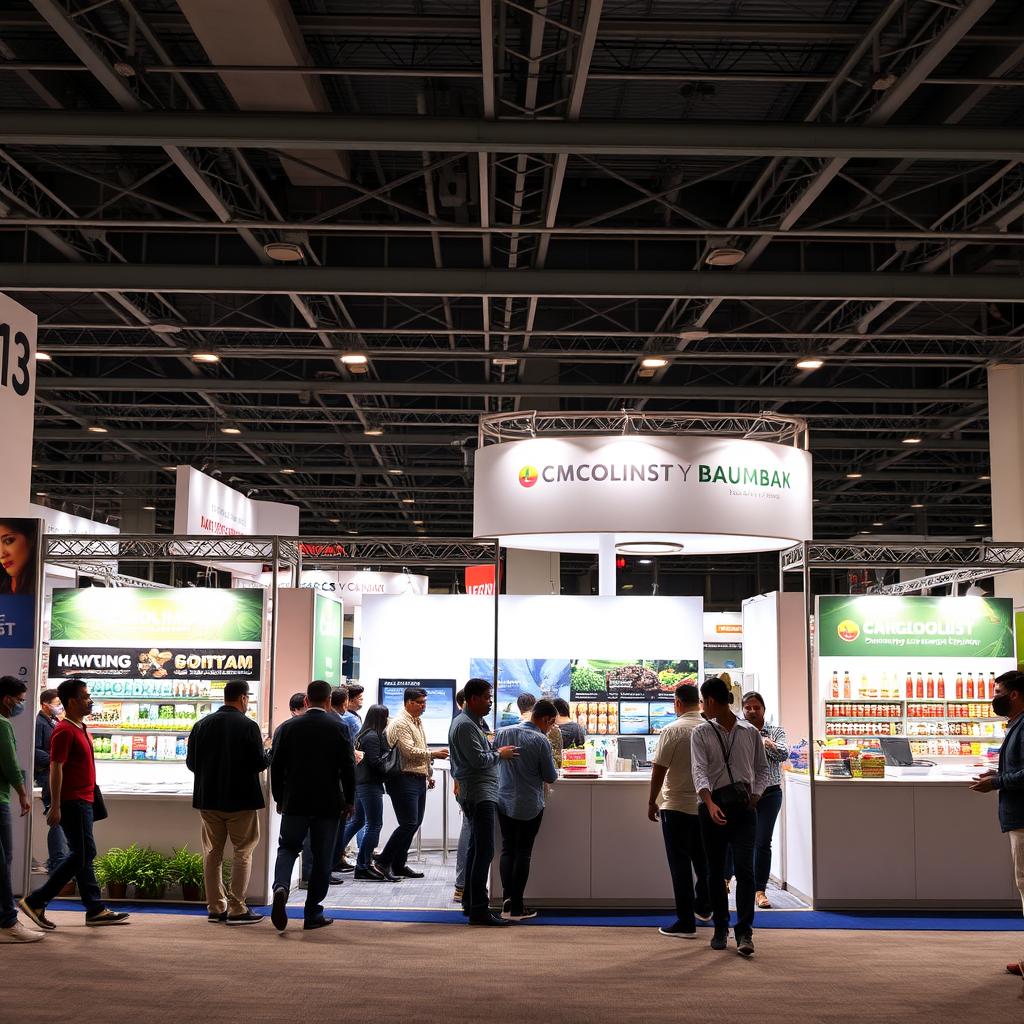
<h2>Agriculture: Bangladesh's Quiet Revolution</h2>
<p>While garments dominate headlines, agriculture quietly employs 40% of Bangladesh's workforce and contributes 12% of GDP. The sector has undergone a remarkable transformation — Bangladesh is now the world's 3rd largest rice producer, 4th largest aquaculture producer, and a major player in vegetables, fruits, and poultry. Agricultural expos play a crucial role in this transformation by connecting farmers with the latest technology, seeds, machinery, and market access.</p>
<p>For a country that achieved food self-sufficiency from a population of 170 million people on just 8.5 million hectares of arable land — one of the highest population-to-farmland ratios in the world — agricultural innovation isn't academic. It's survival. Every percentage point improvement in yield means hundreds of thousands of families eating better. That urgency makes Bangladesh's agricultural expos uniquely impactful events.</p>
<h2>Major Agricultural Expos</h2>
<p>Agro Bangladesh, organized by the International Trade Fair Organization, is the flagship agricultural exhibition. Held annually at ICCB, it features three main sectors: agricultural machinery and equipment, seeds and agrochemicals, and food processing technology. The 2025 edition drew 180 exhibitors from 22 countries, with particularly strong participation from Chinese machinery manufacturers, Indian seed companies, and Thai food processing equipment suppliers.</p>
<p>The National Fish Fair, organized by the Department of Fisheries, showcases Bangladesh's booming aquaculture sector. With fish production reaching 46 lakh metric tons annually, Bangladesh has become a global aquaculture leader. The fair features everything from tilapia and pangasius fingerling suppliers to automated feeding systems and water quality monitoring technology. For fish farmers in Mymensingh, Bogura, and the southwestern shrimp belt, this expo is the year's most important industry event.</p>
<p>The Poultry, Dairy & Fisheries International Expo covers Bangladesh's rapidly modernizing livestock sector. Poultry production has grown from 80 million birds annually in 2000 to over 350 million today. The expo showcases automated poultry housing from European manufacturers, Indian-made feed processing equipment, and veterinary pharmaceutical companies. A complete automated poultry house setup for 5,000 birds runs ৳15-20 lakh, and many farmers place orders at the expo where manufacturers offer 10-15% installation discounts.</p>
<h2>Technology Transforming Bangladesh's Farms</h2>
<p>Agricultural expos are where Bangladesh's farmers first encounter technologies that will reshape their operations. Several innovations showcased at recent expos are already making an impact across the countryside.</p>
<p>Drone technology for crop monitoring and pesticide spraying has moved from demonstration to commercial deployment. A Chinese-made agricultural drone capable of spraying 10 acres per hour costs ৳3-5 lakh — expensive for individual farmers but viable for cooperative ownership or commercial spraying services. Several Dhaka-based startups now offer drone spraying services in major rice-growing districts at ৳800-1,200 per acre, a price competitive with manual spraying when labor costs and chemical waste are factored in.</p>
<p>Solar-powered irrigation pumps are transforming water access in off-grid farming areas. Displayed prominently at Agro Bangladesh, these systems eliminate diesel fuel costs that consume 15-20% of a farmer's budget. A 3HP solar pump system costs ৳2.5-3.5 lakh, with government subsidies covering 50-60% through the Infrastructure Development Company Limited. Payback period after subsidy is typically 18-24 months.</p>
<p>Hybrid and high-yield seed varieties remain the most impactful technology displayed at agricultural expos. BARI-developed hybrid rice varieties that yield 8-9 tons per hectare versus the traditional 4-5 tons are available from expo stalls at competitive prices. Vegetable seeds from Thai and Chinese companies — cherry tomatoes, capsicum, broccoli, and strawberries — are creating new market opportunities for peri-urban farmers who supply Dhaka's growing middle-class demand for diverse produce.</p>
<h2>From Fair to Farm: How Expos Create Impact</h2>
<p>The real measure of an agricultural expo's success isn't footfall or exhibitor count — it's adoption. How many farmers actually implement what they saw at the fair? Bangladesh's agricultural expos are increasingly designed to maximize post-fair adoption through several strategies.</p>
<p>Live demonstrations are standard at agricultural expos. Instead of just displaying a rice transplanter behind a rope, exhibitors run it in a flooded demonstration plot next to the exhibition hall. Farmers can watch, ask questions, and even try operating the machine. This hands-on experience dramatically increases adoption — a farmer who has physically operated a ৳1.5 lakh mini rice transplanter is far more likely to purchase one than someone who only saw it in a brochure.</p>
<p>Micro-financing partnerships at expos solve the biggest barrier to agricultural technology adoption: affordability. BRAC, Grameen Bank, and IFIC Bank maintain permanent stalls at major agricultural expos, offering on-the-spot loan approvals for equipment purchases. A farmer can select a piece of equipment, walk 50 meters to the financing stall, get pre-approved for a loan at 9-12% annual interest, and return to complete the purchase — all within 2 hours. This frictionless process has been credited with doubling equipment sales at expos compared to events without embedded financing.</p>
<h2>The Small Farmer's Expo Experience</h2>
<p>For a smallholder farmer from Bogura or Rangpur visiting Agro Bangladesh, the expo is overwhelming. Hundreds of stalls, aggressive salespeople, and technology priced beyond their individual means. But the expo still serves these farmers through three channels: knowledge, seeds, and connections.</p>
<p>Free seminars and workshops run alongside every agricultural expo. Topics range from integrated pest management to post-harvest storage techniques to market price information systems. The Department of Agricultural Extension and BARC often use expos to launch new advisory programs, distribute training materials, and register farmers for government subsidy programs. A farmer might not buy a ৳5 lakh tractor, but they might learn a composting technique that saves ৳2,000 per season in fertilizer costs — a meaningful improvement for a family farming on 1 bigha.</p>
<p>Seeds are the most accessible technology at expos, and often the highest-impact. A packet of BARI hybrid tomato seeds costs ৳150-300 and can yield ৳15,000-20,000 worth of tomatoes from a 10-decimal kitchen garden plot. Seed companies provide cultivation guides, and some offer follow-up agronomist visits for new variety adopters. For the investment of a bus ticket to Dhaka and a few hundred taka in seeds, a small farmer can materially improve their household income.</p>
<p>While garments dominate headlines, agriculture quietly employs 40% of Bangladesh's workforce and contributes 12% of GDP. The sector has undergone a remarkable transformation — Bangladesh is now the world's 3rd largest rice producer, 4th largest aquaculture producer, and a major player in vegetables, fruits, and poultry. Agricultural expos play a crucial role in this transformation by connecting farmers with the latest technology, seeds, machinery, and market access.</p>
<p>For a country that achieved food self-sufficiency from a population of 170 million people on just 8.5 million hectares of arable land — one of the highest population-to-farmland ratios in the world — agricultural innovation isn't academic. It's survival. Every percentage point improvement in yield means hundreds of thousands of families eating better. That urgency makes Bangladesh's agricultural expos uniquely impactful events.</p>
<h2>Major Agricultural Expos</h2>
<p>Agro Bangladesh, organized by the International Trade Fair Organization, is the flagship agricultural exhibition. Held annually at ICCB, it features three main sectors: agricultural machinery and equipment, seeds and agrochemicals, and food processing technology. The 2025 edition drew 180 exhibitors from 22 countries, with particularly strong participation from Chinese machinery manufacturers, Indian seed companies, and Thai food processing equipment suppliers.</p>
<p>The National Fish Fair, organized by the Department of Fisheries, showcases Bangladesh's booming aquaculture sector. With fish production reaching 46 lakh metric tons annually, Bangladesh has become a global aquaculture leader. The fair features everything from tilapia and pangasius fingerling suppliers to automated feeding systems and water quality monitoring technology. For fish farmers in Mymensingh, Bogura, and the southwestern shrimp belt, this expo is the year's most important industry event.</p>
<p>The Poultry, Dairy & Fisheries International Expo covers Bangladesh's rapidly modernizing livestock sector. Poultry production has grown from 80 million birds annually in 2000 to over 350 million today. The expo showcases automated poultry housing from European manufacturers, Indian-made feed processing equipment, and veterinary pharmaceutical companies. A complete automated poultry house setup for 5,000 birds runs ৳15-20 lakh, and many farmers place orders at the expo where manufacturers offer 10-15% installation discounts.</p>
<h2>Technology Transforming Bangladesh's Farms</h2>
<p>Agricultural expos are where Bangladesh's farmers first encounter technologies that will reshape their operations. Several innovations showcased at recent expos are already making an impact across the countryside.</p>
<p>Drone technology for crop monitoring and pesticide spraying has moved from demonstration to commercial deployment. A Chinese-made agricultural drone capable of spraying 10 acres per hour costs ৳3-5 lakh — expensive for individual farmers but viable for cooperative ownership or commercial spraying services. Several Dhaka-based startups now offer drone spraying services in major rice-growing districts at ৳800-1,200 per acre, a price competitive with manual spraying when labor costs and chemical waste are factored in.</p>
<p>Solar-powered irrigation pumps are transforming water access in off-grid farming areas. Displayed prominently at Agro Bangladesh, these systems eliminate diesel fuel costs that consume 15-20% of a farmer's budget. A 3HP solar pump system costs ৳2.5-3.5 lakh, with government subsidies covering 50-60% through the Infrastructure Development Company Limited. Payback period after subsidy is typically 18-24 months.</p>
<p>Hybrid and high-yield seed varieties remain the most impactful technology displayed at agricultural expos. BARI-developed hybrid rice varieties that yield 8-9 tons per hectare versus the traditional 4-5 tons are available from expo stalls at competitive prices. Vegetable seeds from Thai and Chinese companies — cherry tomatoes, capsicum, broccoli, and strawberries — are creating new market opportunities for peri-urban farmers who supply Dhaka's growing middle-class demand for diverse produce.</p>
<h2>From Fair to Farm: How Expos Create Impact</h2>
<p>The real measure of an agricultural expo's success isn't footfall or exhibitor count — it's adoption. How many farmers actually implement what they saw at the fair? Bangladesh's agricultural expos are increasingly designed to maximize post-fair adoption through several strategies.</p>
<p>Live demonstrations are standard at agricultural expos. Instead of just displaying a rice transplanter behind a rope, exhibitors run it in a flooded demonstration plot next to the exhibition hall. Farmers can watch, ask questions, and even try operating the machine. This hands-on experience dramatically increases adoption — a farmer who has physically operated a ৳1.5 lakh mini rice transplanter is far more likely to purchase one than someone who only saw it in a brochure.</p>
<p>Micro-financing partnerships at expos solve the biggest barrier to agricultural technology adoption: affordability. BRAC, Grameen Bank, and IFIC Bank maintain permanent stalls at major agricultural expos, offering on-the-spot loan approvals for equipment purchases. A farmer can select a piece of equipment, walk 50 meters to the financing stall, get pre-approved for a loan at 9-12% annual interest, and return to complete the purchase — all within 2 hours. This frictionless process has been credited with doubling equipment sales at expos compared to events without embedded financing.</p>
<h2>The Small Farmer's Expo Experience</h2>
<p>For a smallholder farmer from Bogura or Rangpur visiting Agro Bangladesh, the expo is overwhelming. Hundreds of stalls, aggressive salespeople, and technology priced beyond their individual means. But the expo still serves these farmers through three channels: knowledge, seeds, and connections.</p>
<p>Free seminars and workshops run alongside every agricultural expo. Topics range from integrated pest management to post-harvest storage techniques to market price information systems. The Department of Agricultural Extension and BARC often use expos to launch new advisory programs, distribute training materials, and register farmers for government subsidy programs. A farmer might not buy a ৳5 lakh tractor, but they might learn a composting technique that saves ৳2,000 per season in fertilizer costs — a meaningful improvement for a family farming on 1 bigha.</p>
<p>Seeds are the most accessible technology at expos, and often the highest-impact. A packet of BARI hybrid tomato seeds costs ৳150-300 and can yield ৳15,000-20,000 worth of tomatoes from a 10-decimal kitchen garden plot. Seed companies provide cultivation guides, and some offer follow-up agronomist visits for new variety adopters. For the investment of a bus ticket to Dhaka and a few hundred taka in seeds, a small farmer can materially improve their household income.</p>
