Behind the Scenes: How Bangladesh's Biggest Expos Are Organized
April 27, 2026
|
organization
logistics
behind-scenes
ditf
operations
<h2>The Scale of Bangladesh's Exhibition Industry</h2>
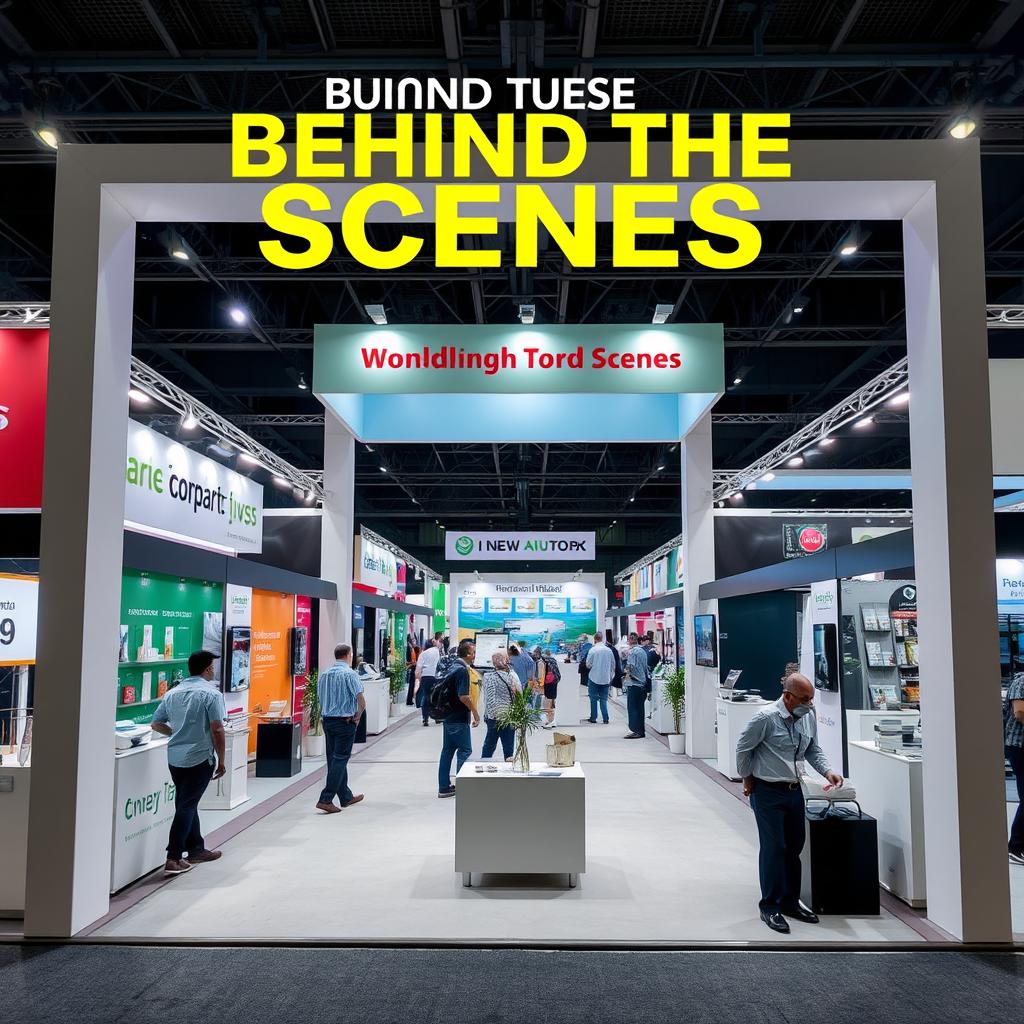
<p>Organizing a major expo in Bangladesh is a logistical operation comparable to a military campaign. DITF — the country's largest — requires coordinating 500+ exhibitors across 40 acres, managing 3 million visitors over 31 days, deploying 2,000+ security personnel, and ensuring reliable electricity, water, and sanitation for a small temporary city. The effort begins 8-12 months before the gates open and continues for weeks after they close.</p>
<p>Bangladesh's exhibition industry employs an estimated 50,000 people directly and supports 200,000 indirectly — stall builders, electricians, decorators, caterers, security guards, cleaners, transport operators, and the countless support workers who make events possible. Understanding how these events come together reveals a sophisticated operational machine that runs behind every expo's public-facing glamour.</p>
<h2>Venue Selection and Preparation</h2>
<p>Bangladesh has three major expo venues. The Sher-e-Bangla Nagar fairground in Dhaka's Agargaon area hosts DITF and several other large events. It covers 40 acres with a mix of permanent pavilion structures and open ground for temporary installations. The International Convention City Bashundhara (ICCB) in Bashundhara offers 100,000 square feet of climate-controlled exhibition space — Bangladesh's only purpose-built convention center. Bangabandhu International Conference Center (BICC) near Sher-e-Bangla Nagar handles mid-sized events with its 18,000 square feet main hall.</p>
<p>For DITF, venue preparation begins in October — three months before the January opening. Permanent structures receive maintenance: roof repairs, electrical system upgrades, plumbing checks, and fresh paint. The open ground sections are graded, compacted, and covered with temporary flooring. Drainage channels are cleaned to handle January's occasional rain showers. The total venue preparation budget for DITF exceeds ৳15 crore, covering construction, infrastructure, and beautification.</p>
<p>Stall allocation is a political and commercial balancing act. Foreign government pavilions receive premium locations near main entrances. Large domestic companies that pay premium rates get high-traffic corner and end-cap positions. SME Foundation pavilions are clustered in designated areas. First-time exhibitors receive less favorable locations unless they pay premium surcharges. The allocation committee, typically comprising ministry officials and industry representatives, makes decisions 4-6 months before the event.</p>
<h2>Power, Water, and Infrastructure</h2>
<p>Electricity is perhaps the most critical infrastructure challenge for Bangladesh expos. DITF's peak power demand reaches 8-10 MW — equivalent to a medium-sized industrial zone. The Sher-e-Bangla Nagar fairground connects to the national grid through dedicated 33kV feeders from the Agargaon substation. Backup diesel generators with a combined capacity of 5 MW ensure continuous power during the load-shedding that historically affects Dhaka during winter months.</p>
<p>Individual stalls receive 5-15 kW connections depending on size and type. Electronics stalls that operate dozens of devices simultaneously need more power than clothing stalls. The electrical distribution network — transformers, distribution boards, cable runs, and safety breakers — is installed by teams of licensed electricians over 2-3 weeks before the event. Fire safety is paramount: every stall's electrical installation is inspected by fire service officers before the fair opens.</p>
<p>Water supply for 100,000+ daily visitors requires extensive infrastructure. DITF installs temporary water lines connected to WASA mains, supplemented by tanker deliveries during peak demand days. Forty-plus temporary toilet blocks — each servicing 1,000 visitors daily — are installed with dedicated sewage connections or vacuum collection systems. A dedicated cleaning team of 200+ workers maintains sanitation standards throughout the event.</p>
<h2>Security Operations</h2>
<p>DITF deploys over 2,000 security personnel in a layered system. The outer perimeter is managed by Dhaka Metropolitan Police, with officers controlling traffic, managing queues, and providing a visible deterrent at all entry points. The inner perimeter — exhibition halls and stall areas — is covered by private security firms hired by the organizing authority. CCTV coverage extends to 300+ cameras monitored from a central security control room that operates 24 hours throughout the fair.</p>
<p>Entry screening includes metal detectors and bag checks at all gates — a process that creates 10-20 minute queues during peak hours but is considered essential after security incidents at public events in the region. VIP and exhibitor entrances have separate screening lanes with faster processing. The security control room coordinates with local police stations, fire services, and hospitals to ensure rapid emergency response.</p>
<p>Cash management security deserves special mention. With ৳hundreds of crore changing hands over the fair's duration, many stalls require daily cash collection services. Armored vehicle pickups, arranged through private security companies, collect cash from high-volume stalls during early morning hours when the fairground is closed to visitors. Exhibitors who don't use collection services are advised to deposit daily sales through mobile banking — bKash and Nagad agents are stationed within the fairground for this purpose.</p>
<h2>Marketing and Promotion</h2>
<p>Major expos spend ৳2-5 crore on marketing, using a mix of traditional and digital channels calibrated for Bangladesh's media consumption patterns. Television remains the primary awareness driver — TV spots on BTV, Channel i, NTV, and Somoy TV reach the broadest audience. Billboard advertising on key Dhaka arterials like Mirpur Road, Airport Road, and Gulistan starts 4-6 weeks before the event.</p>
<p>Digital marketing has become increasingly important, with Facebook being the dominant platform. Expo organizers create event pages, run targeted advertising to relevant demographics, and partner with influencers for booth previews and live coverage. The DITF Facebook page alone reaches 2 million users during the fair season. WhatsApp and Messenger broadcasts to previous attendee databases drive repeat visits.</p>
<p>Print media — particularly Bengali-language dailies like Prothom Alo, Kaler Kantho, and Jugantor — carries expo supplements with exhibitor profiles, floor maps, and promotional offers. Radio stations like Radio Foorti and ABC Radio run promotional spots and live broadcasts from the fairground. The total media value generated by a major expo — combining paid advertising, earned media coverage, and social media activity — typically exceeds the paid marketing budget by 3-5x.</p>
<h2>After the Fair: The Invisible Cleanup</h2>
<p>When the last visitor leaves on closing night, the expo's most intense operational phase begins. Stall demolition starts within 24 hours and must be completed within 10-15 days — a tight window considering that hundreds of structures must be safely dismantled, valuable materials salvaged, and the venue restored to its pre-event condition.</p>
<p>Waste management during teardown is substantial. A 30-day expo like DITF generates an estimated 500 metric tons of waste — discarded displays, packaging materials, unsold merchandise, food waste, and construction debris. Recycling rates are improving: stall building materials including aluminum frames, MDF panels, and electrical components are salvaged and resold. But significant waste still goes to landfill, and several environmental groups have advocated for mandatory recycling plans as part of expo licensing conditions.</p>
<p>The financial settlement process takes 30-60 days after the event. Exhibitors receive their security deposits minus any damage charges. Revenue from entry tickets, stall rentals, sponsorship, and concessions is audited and distributed among stakeholders. For government-organized events like DITF, audit reports are submitted to the Ministry of Commerce. The cycle then begins again: within weeks of one expo closing, planning for the next edition starts, and Bangladesh's exhibition machine continues turning.</p>
<p>Organizing a major expo in Bangladesh is a logistical operation comparable to a military campaign. DITF — the country's largest — requires coordinating 500+ exhibitors across 40 acres, managing 3 million visitors over 31 days, deploying 2,000+ security personnel, and ensuring reliable electricity, water, and sanitation for a small temporary city. The effort begins 8-12 months before the gates open and continues for weeks after they close.</p>
<p>Bangladesh's exhibition industry employs an estimated 50,000 people directly and supports 200,000 indirectly — stall builders, electricians, decorators, caterers, security guards, cleaners, transport operators, and the countless support workers who make events possible. Understanding how these events come together reveals a sophisticated operational machine that runs behind every expo's public-facing glamour.</p>
<h2>Venue Selection and Preparation</h2>
<p>Bangladesh has three major expo venues. The Sher-e-Bangla Nagar fairground in Dhaka's Agargaon area hosts DITF and several other large events. It covers 40 acres with a mix of permanent pavilion structures and open ground for temporary installations. The International Convention City Bashundhara (ICCB) in Bashundhara offers 100,000 square feet of climate-controlled exhibition space — Bangladesh's only purpose-built convention center. Bangabandhu International Conference Center (BICC) near Sher-e-Bangla Nagar handles mid-sized events with its 18,000 square feet main hall.</p>
<p>For DITF, venue preparation begins in October — three months before the January opening. Permanent structures receive maintenance: roof repairs, electrical system upgrades, plumbing checks, and fresh paint. The open ground sections are graded, compacted, and covered with temporary flooring. Drainage channels are cleaned to handle January's occasional rain showers. The total venue preparation budget for DITF exceeds ৳15 crore, covering construction, infrastructure, and beautification.</p>
<p>Stall allocation is a political and commercial balancing act. Foreign government pavilions receive premium locations near main entrances. Large domestic companies that pay premium rates get high-traffic corner and end-cap positions. SME Foundation pavilions are clustered in designated areas. First-time exhibitors receive less favorable locations unless they pay premium surcharges. The allocation committee, typically comprising ministry officials and industry representatives, makes decisions 4-6 months before the event.</p>
<h2>Power, Water, and Infrastructure</h2>
<p>Electricity is perhaps the most critical infrastructure challenge for Bangladesh expos. DITF's peak power demand reaches 8-10 MW — equivalent to a medium-sized industrial zone. The Sher-e-Bangla Nagar fairground connects to the national grid through dedicated 33kV feeders from the Agargaon substation. Backup diesel generators with a combined capacity of 5 MW ensure continuous power during the load-shedding that historically affects Dhaka during winter months.</p>
<p>Individual stalls receive 5-15 kW connections depending on size and type. Electronics stalls that operate dozens of devices simultaneously need more power than clothing stalls. The electrical distribution network — transformers, distribution boards, cable runs, and safety breakers — is installed by teams of licensed electricians over 2-3 weeks before the event. Fire safety is paramount: every stall's electrical installation is inspected by fire service officers before the fair opens.</p>
<p>Water supply for 100,000+ daily visitors requires extensive infrastructure. DITF installs temporary water lines connected to WASA mains, supplemented by tanker deliveries during peak demand days. Forty-plus temporary toilet blocks — each servicing 1,000 visitors daily — are installed with dedicated sewage connections or vacuum collection systems. A dedicated cleaning team of 200+ workers maintains sanitation standards throughout the event.</p>
<h2>Security Operations</h2>
<p>DITF deploys over 2,000 security personnel in a layered system. The outer perimeter is managed by Dhaka Metropolitan Police, with officers controlling traffic, managing queues, and providing a visible deterrent at all entry points. The inner perimeter — exhibition halls and stall areas — is covered by private security firms hired by the organizing authority. CCTV coverage extends to 300+ cameras monitored from a central security control room that operates 24 hours throughout the fair.</p>
<p>Entry screening includes metal detectors and bag checks at all gates — a process that creates 10-20 minute queues during peak hours but is considered essential after security incidents at public events in the region. VIP and exhibitor entrances have separate screening lanes with faster processing. The security control room coordinates with local police stations, fire services, and hospitals to ensure rapid emergency response.</p>
<p>Cash management security deserves special mention. With ৳hundreds of crore changing hands over the fair's duration, many stalls require daily cash collection services. Armored vehicle pickups, arranged through private security companies, collect cash from high-volume stalls during early morning hours when the fairground is closed to visitors. Exhibitors who don't use collection services are advised to deposit daily sales through mobile banking — bKash and Nagad agents are stationed within the fairground for this purpose.</p>
<h2>Marketing and Promotion</h2>
<p>Major expos spend ৳2-5 crore on marketing, using a mix of traditional and digital channels calibrated for Bangladesh's media consumption patterns. Television remains the primary awareness driver — TV spots on BTV, Channel i, NTV, and Somoy TV reach the broadest audience. Billboard advertising on key Dhaka arterials like Mirpur Road, Airport Road, and Gulistan starts 4-6 weeks before the event.</p>
<p>Digital marketing has become increasingly important, with Facebook being the dominant platform. Expo organizers create event pages, run targeted advertising to relevant demographics, and partner with influencers for booth previews and live coverage. The DITF Facebook page alone reaches 2 million users during the fair season. WhatsApp and Messenger broadcasts to previous attendee databases drive repeat visits.</p>
<p>Print media — particularly Bengali-language dailies like Prothom Alo, Kaler Kantho, and Jugantor — carries expo supplements with exhibitor profiles, floor maps, and promotional offers. Radio stations like Radio Foorti and ABC Radio run promotional spots and live broadcasts from the fairground. The total media value generated by a major expo — combining paid advertising, earned media coverage, and social media activity — typically exceeds the paid marketing budget by 3-5x.</p>
<h2>After the Fair: The Invisible Cleanup</h2>
<p>When the last visitor leaves on closing night, the expo's most intense operational phase begins. Stall demolition starts within 24 hours and must be completed within 10-15 days — a tight window considering that hundreds of structures must be safely dismantled, valuable materials salvaged, and the venue restored to its pre-event condition.</p>
<p>Waste management during teardown is substantial. A 30-day expo like DITF generates an estimated 500 metric tons of waste — discarded displays, packaging materials, unsold merchandise, food waste, and construction debris. Recycling rates are improving: stall building materials including aluminum frames, MDF panels, and electrical components are salvaged and resold. But significant waste still goes to landfill, and several environmental groups have advocated for mandatory recycling plans as part of expo licensing conditions.</p>
<p>The financial settlement process takes 30-60 days after the event. Exhibitors receive their security deposits minus any damage charges. Revenue from entry tickets, stall rentals, sponsorship, and concessions is audited and distributed among stakeholders. For government-organized events like DITF, audit reports are submitted to the Ministry of Commerce. The cycle then begins again: within weeks of one expo closing, planning for the next edition starts, and Bangladesh's exhibition machine continues turning.</p>
